
The Optimist (2026)
The The Optimist movie Hura Watch World is an emotionally touching drama, rooted in a true life story of a survivor of the Holocaust Herbert Heller who inspired his life through his relationship with a troubled teenager, The Optimist. The film was directed and written by Finn Taylor, and it blends emotional humanity and historical background. It dwells upon memory, trauma, healing, and the lifelong consequences of telling one truth. The Optimist is not a film that banks on spectacle but rather a film that has genuine feelings and heart-felt scenes. It is reflective, optimistic, and highly human, relating the suffering of the past to the resilience of the present.
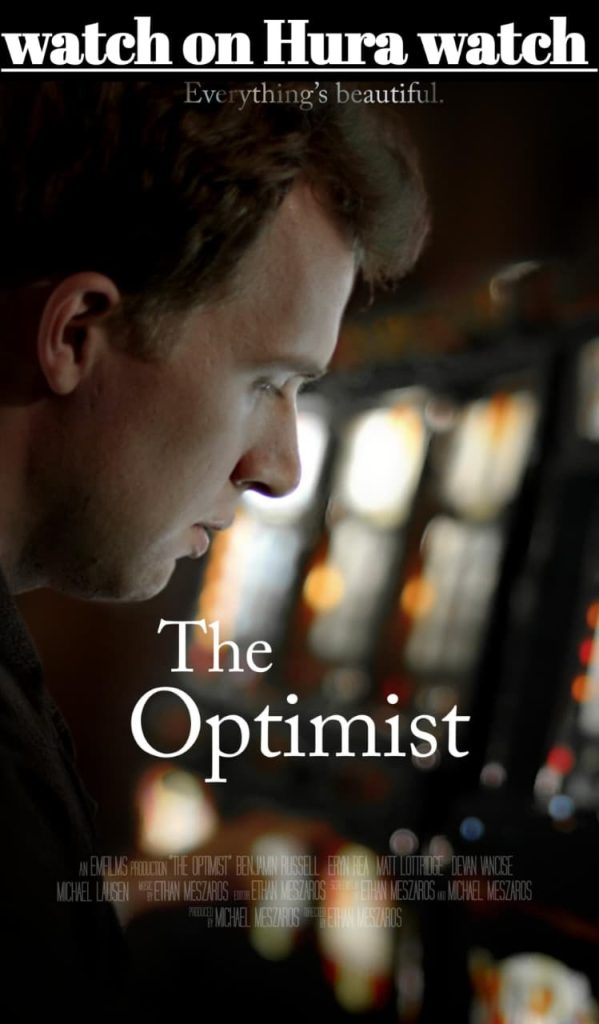
The optimist starring Stephen Lang and rising star Elsie Fisher is a film that makes the two main characters rich and authentic. The cast are enriched by supporting actors such as Luke David Blumm, Leah Pipes, Ben Geurens and Ursula Parker. The movie touches the themes of intergenerational friendship, compassion, and boldness to face the painful past. The viewing experience is characterized by natural scenery, one on one conversations, and low key emotional tunes. The Optimist is intended to make people feel compassionate and brave.
| Category | Details |
| Movie Name | The Optimist |
| Release Year | 2026 |
| Genre | Drama |
| Director | Finn Taylor |
| Writer | Finn Taylor |
| Producers | Jeanine Thomas, Noah Lang |
| Executive Producer | Todd Slater |
| Starring | Stephen Lang, Elsie Fisher, Luke David Blumm |
| Supporting Cast | Leah Pipes, Ben Geurens, Ursula Parker, Slavko Sobin, Stella Stocker, Oskar Hes, Robin Weigert |
| Cinematography | Antonio Riestra, Alexander Surkala |
| Editing | Kaufmanova Olina, Rick LeCompte |
| Music | Original score by production team |
| Production Companies | Jeanine Thomas Production, Convoke Media, Stillking Films |
| Distributor | Trafalgar Releasing |
| Release Date | March 11, 2026 |
| Runtime | 102 minutes |
| Country | United States |
| Language | English |
Plot
Against the background of Northern California, there is an optimist that follows Herbert Heller who had spent decades in silence of the horrors that he had experienced as a young holocaust survivor. Sickness makes him deal with memories that he has been secretly harboring even to his own family. An unbelievable friendship grows between Herbert and Abbey, a teenager who is going through her own emotional challenges. What they share together turns out to be a form of healing, revelation and the strength to tell the painful things. The story is emotionally rich and considers how trauma in the past and vulnerability in the present can help one be compassionate.
Instead of being action-oriented or reenacting history, the movie remains grounded in human interactions and introspection. The dialogue between Herbert and Abbey shows depths of suffering, recollection and the development of each other. The existence of emotional tension is caused by unspoken regrets and the challenge of forgiveness. The surrounding characters reflect larger issues of compassion and strength. Finally, The Optimist demonstrates that telling the truth may turn out to be a way towards understanding, rediscovery, and inner harmony.
Explore More Movies
- Tron Ares 2025
- Troll 2 2025
- Zootopia
- Wildcat 2025
- A Very Merry Beauty Salon
- I Swear 2025
- Give Me Back My Daughter 2025
- Where the Sun Always Shines 2025
- Locals Welcome 2025
- Civilisations Rise and Fall 2025
- Begonia 2025
- Second Guessing Fate 2025
- Anniversary 2025
- The Fantastic Four First Steps 2025
- The Correction Unit 2025
- Special Unit Murder First 2025
- Field of Screams 2025
- Greek Mothers Never Die 2025
- Holiday Touchdown A Bills Love Story 2025
- Chris Hemsworth Road Trip to Remember 2025
- The Hem 2025
- Kevin Hart Acting My Age
- Melt My Heart This Christmas
- The Age of Disclosure
- The Old Bachelor
- Time Travel Is Dangerous
- A Scottish Christmas Secret
- Agents un peu trop secrets
- Chainsaws Were Singing
- Con Job
- Finally Me
- I Am Curious Johnny
- It Was Just an Accident
- Jay Kelly
- Keeper
- KRZYK LOSING CONTROL
- Mayhem Girls
- My Sunshine
- Sisu Road to Revenge
- The First Murder Special Unit
Performances
Stephen Lang gives a powerful performance as Herbert Heller, with the gravity of experienced trauma being taken to depths and treated with dignity. He adds solemnity and heart to the most difficult moments of the story. Elsie Fisher is equally vulnerable as Abbey, which makes her match him heart-to-heart. Their communication forms the emotional heart of the movie, and it is natural and carefully paced.
The auxiliary actors like Luke David Blumm, Leah Pipes, Ben Geurens, and Ursula Parker bring in some more emotional coloring. All the actors play a significant role in the story without distracting the main relationship. Their acting provides some light but effective insights into the theme of family, memory, and community. The group has its power in simplicity and naturalness. The outcome is an abundance of interrelated, plausible performances.
Direction and Screenplay
The direction of Finn Taylor is subtle and emotionally honest and incorporates both the history and the personal change. He lets the silence and mere encounters be emotional. His screenplay puts an emphasis on the character investigation and multifaceted performances rather than dramatic set pieces. Discussions are authentic, intimate and meaningful. The style of Taylor is focused on sympathy and self-reflection in the story.
Instead of shock value dramatization of trauma, the movie is about internal struggle and development. Scenes are timed such that the viewers have time to internalize emotional rhythms. Conversation is experience and contemplation. There is a lot of development of character arcs that is well done and well thought out. The screenplay and the direction form a close and thought-provoking experience.
Cinematography and Editing
The cinematography of the film is done by Antonio Riestra and Alexander Surkala, who manage to shoot both panoramic views and close-ups of the characters. Their work swings between aesthetic visual and solid emotional narrations. Scenes underline the opposition between large natural environments and the inner world. Framing and lighting are used to improve mood without excessive scenes. The reflective tone is backed by the visual aesthetic.
The emotional rhythm of the narrative is created by the editors Kaufmanova Olina and Rick LeCompte, who give the scenes the opportunity to breathe and at the same time hold the narrative together. The editing makes the emotional hits hit and the transitions are smooth. The speed is facilitative as opposed to hurrying. Emotional appeal is increased by the wise selection of cuts and timing. Cinematography plus editing is a whole experience.
Music
The soundtrack adds to the emotional background of the film, but is not too prominent when compared to the dialogue or nature. It highlights major instances of closeness, recollection, and discovery. Music reinforces introspective and interpersonal scenes. The tone of the score is changed to suit tension and release. The sound design is perfectly aligned with the mood of the film which is honest and reflective.
The balance between the past trauma and hope in the film is reflected in music. It is not based on loud motifs but is composed softly to highlight mood. Melody and silence are both used to express the emotional themes. The score supports but does not subjugate the story. Generally, music goes hand in hand with the heart of the narrative.
Production Companies
Jeanine Thomas and Noah Lang make the Optimist and Todd Slater executive produce. These production companies are Jeanine Thomas Production, Convoke Media and Stillking Films. These companies focus on character-based narration and self-sufficiency. Their participation helps in giving the film a sincere and humanistic touch. Moreover, it has executive producers, who assist in spearheading its artistic and promotional coverage besides key producers. Their shared experience assists in putting the story into the context of its emotional and historical appeal.
Themes
The Optimist is a work that addresses the themes of trauma, memory, empathy, and intergenerational healing. The movie explores how truth in a personal sense can reconcile as characters face past pain. It reveals that the experiences that are very entrenched can be redefined by sharing. The concepts of strength and bonding are at the heart of the story. The movie has also brought out the strength of kindness in overcoming the generational differences.
The main idea of the story lies in bravery when facing a painful past. Characters get to know that vulnerability may be transformative. When forgiveness occurs, it leads to peace and not weakness. The Optimist makes one look back into personal and group history. These themes go beyond the movie into the real life attitudes towards empathy and healing.
Production Review
The Optimist (2026) is a carefully made drama film, which is concerned with emotional realism instead of historical spectacle. The mode of production in the movie is quite personal with the plain locations and nature settings to bring out naturalness. Jeanine Thomas Production, Convoke Media, and Stillking Films present a down-to-earth movie that advocates the delicate topic of discussion with a sense of maturity and reserve.
At the technical level, the work of the cinematographers Antonio Riestra and Alexander Surkala contributes visual warmth, thanks to the peaceful frame composition, and expressive close-ups. It is well edited and maintains a slow but meaningful pacing that lets emotional scenes breathe. The low-key music style adds to the contemplative mood without coercing emotion. As a whole, the show is genuine, natural and character-based.
FAQs
Conclusion
The optimist is an intelligent and emotionally touching film that is based on real life experiences. Its orientation, acting and narration focus on sympathy and endurance. The music and cinematography complement each other in order to amplify the reflective tone of the narrative. The movie is not melodramatic but prefers a heart-felt emotional output. Those who want to explore meaningful cinema will be inspired and get deep.
All in all, The Optimist is a heart-rending depiction of recovery and unity. The fact that it is based on a true story makes it historical. The cast ensemble is superb in its acting that leaves a lasting impact on the audience. The narrative is supported by technical aspects and does not dominate. The outcome is a touching and emotional movie experience.